
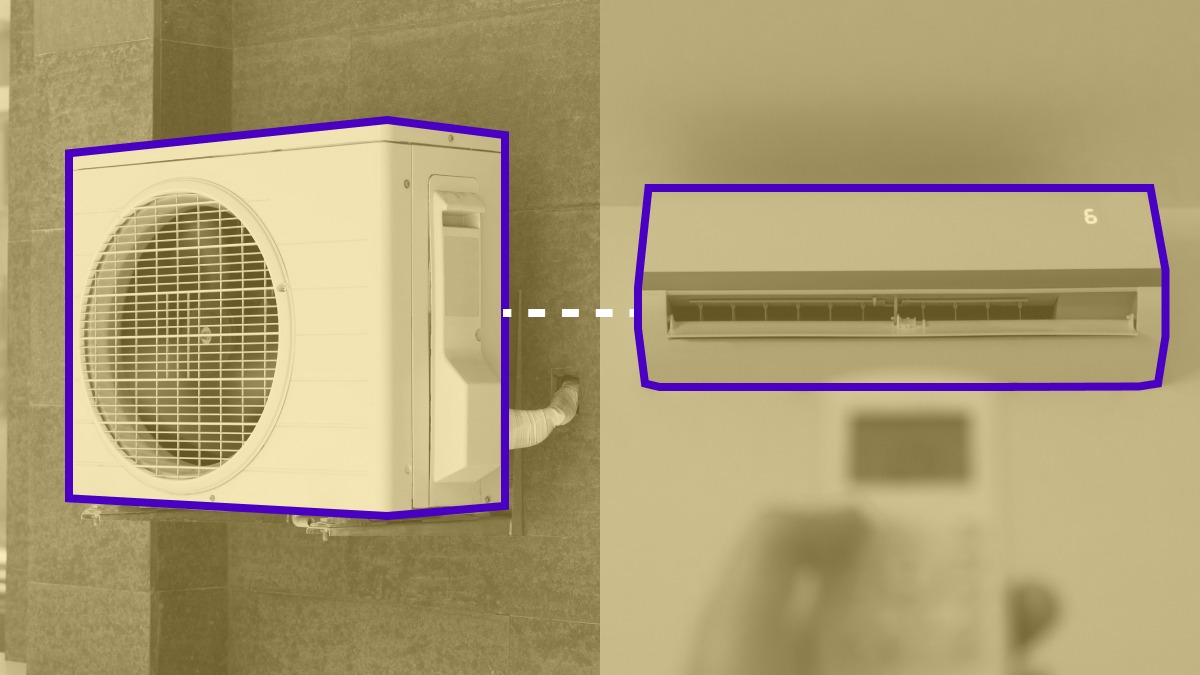
A mini split system offers a modern and efficient way to enhance your home comfort by providing targeted heating and cooling without the need for extensive ductwork. Unlike traditional central HVAC systems, mini splits consist of an outdoor compressor unit connected to one or more indoor air-handling units. This design allows homeowners to control the temperature in individual rooms or zones independently, offering personalized comfort that adapts to different preferences and needs within the household.
One of the primary advantages of installing a mini split is its energy efficiency. Since these systems avoid the energy losses associated with ducts found in conventional setups, they use less power to maintain desired temperatures. The ability to heat or cool specific areas rather than running a whole-house system reduces overall energy consumption, which can translate into lower utility bills over time. Additionally, many mini splits come equipped with inverter technology that adjusts compressor speed continuously for optimal performance rather than cycling on and off like standard units. This results in smoother temperature regulation and further energy savings.
Installation flexibility also makes mini splits an attractive option for upgrading home comfort systems. Because they do not require ductwork, these units are ideal for homes without existing ducts or spaces where adding ducts would be difficult or costly. They can be mounted on walls, ceilings, or floors depending on room layout and aesthetic preferences. This versatility means you can add climate control to finished basements, attics, sunrooms, or even new additions without major renovation work.
Noise levels are another area where mini splits excel compared to traditional HVAC equipment. Indoor units operate quietly since compressors remain outside the building envelope while only fans circulate air inside. For families seeking a peaceful environment during sleep or work hours, this quieter operation enhances overall living comfort.
Maintenance requirements tend to be straightforward as well; regular cleaning of filters and periodic professional checkups help keep the system running efficiently over time. Many models also include features such as programmable timers and remote controls that make it easier for users to customize settings according to daily routines.
In summary, a Mini Split system provides an effective upgrade by delivering precise temperature control with higher efficiency and installation ease than many conventional options offer. Its quiet operation combined with zoned climate management supports enhanced comfort throughout various parts of your home while potentially reducing energy costs significantly over time. For those looking to improve their living environment through smarter heating and cooling solutions without invasive renovations, investing in a mini split presents a compelling choice worth considering carefully alongside other available alternatives.