
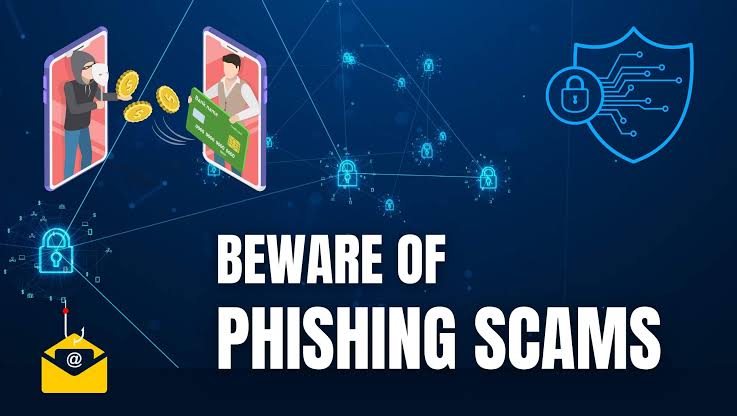
In today’s digital age, where information is easily accessible and shared at lightning speed, the power of testimonials cannot be underestimated. Testimonials often serve as a trusted source for consumers looking to make informed decisions about products or services. However, this trust is increasingly being exploited by scammers who create fake testimonials to deceive potential buyers. It is essential to remain vigilant and cautious when encountering glowing reviews that may not be genuine.
Fake testimonials are fabricated endorsements designed to manipulate consumer perception and boost sales fraudulently. Scammers use various tactics such as creating fake profiles on social media platforms, posting exaggerated or completely false reviews on websites, and even generating video or audio testimonials using actors or artificial intelligence technology. These deceptive practices aim to build an illusion of credibility and reliability around a product or service that may otherwise lack genuine customer satisfaction.
One common sign of fake testimonials is the overly enthusiastic tone combined with vague details. Genuine customers tend to share specific experiences about how a product solved their problem or improved their life, whereas fake reviews often sound generic and lack concrete examples. Additionally, if multiple reviews use similar language or phrases repeatedly across different platforms, it might Pamela Hachem indicate coordinated efforts rather than authentic feedback.
Another red flag is the absence of verifiable user information. Authentic testimonials usually include identifiable details such as full names, locations, or links to social media profiles where one can cross-check the reviewer’s identity. When these elements are missing or appear suspiciously anonymous, it raises doubts about their legitimacy.
Consumers should also be wary of websites that showcase only positive feedback without any critical remarks whatsoever. Every product has its pros and cons; therefore, an entirely flawless set of reviews can signal manipulation aimed at concealing flaws.
1. Conduct thorough research by checking multiple sources before making any purchase decision. 2. Look for third-party review sites known for unbiased opinions rather than relying solely on company-hosted pages. 3. Use tools like reverse image search if photos accompany testimonials-this can reveal whether images have been stolen from elsewhere online. 4. Trust your instincts; if something seems too good to be true based on the reviews alone, take extra precaution.
Businesses committed to transparency encourage honest feedback from real customers without resorting to deceitful tactics because long-term success depends on building trust rather than exploiting it temporarily through fake endorsements.
In conclusion, while testimonials remain valuable resources in guiding consumer choices, awareness of scam risks associated with counterfeit endorsements is crucial in safeguarding against fraudulence online. By learning how to identify red flags linked with fake reviews and adopting careful evaluation habits when reading them, individuals can make smarter decisions free from misleading influences designed purely for financial gain by unscrupulous actors lurking behind seemingly credible praise messages circulating widely across digital marketplaces today.